


Henry William Stiegel
Henry William Stiegel was a German-American glassmaker and ironmaster. Stiegel was the eldest of six children born to John Frederick and Dorothea Elizabeth Stiegel in the Free Imperial City of Cologne. He immigrated to British North America in 1750 with his mother and younger brother, Anthony.
Henry William Stiegel, German Heinrich Wilhelm Stiegel, was a ironmaster, glassmaker, and town builder whose spectacular rise and fall in early American industry is now remembered because of the high-quality blue, purple, green, and crystal-clear glassware that he produced.
Stiegel arrived in Philadelphia in 1750, and by 1760 he was one of the most prosperous ironmasters in the country, having built the forge Elizabeth Furnace, in Lancaster County, Pa., and a second ironworks, Charming Forge, in Berks County. In 1762 he purchased a huge tract in Lancaster County, where he laid out and built a town, Manheim. Encouraged by the patriotic adoption of a boycott of British imports and having already made window glass and bottles at Elizabeth Furnace, Stiegel built a glassworks, later called the American Flint Glassworks, at Manheim; work began in 1768. He imported Venetian, German, and English glassworkers, to make utilitarian vessels and fine tableware.. His princely expenditures and the adverse economic conditions caused by the approaching war and by colonial preference for imported tableware reduced him to bankruptcy. In 1774 he was in debtors prison, and his glassworks was sold. He worked as a foreman at Elizabeth Furnace until that, too, went bankrupt. He then earned a modest living as a preacher and taught school and music until his death.
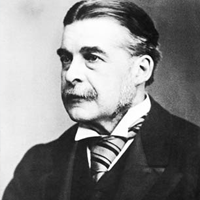
Henry William Stiegel
Date of Birth: 13 May 1729
Birth Place: Cologne, Germany
Proffession: German-American ironmaster
Nationality: Germany
Death: 10 January 1785, Pennsylvania, United States