


Sage Kapila
Kapila is a Vedic–Itihāsa–Purāṇic sage, not a historically datable figure like Ashoka.
Traditional Hindu chronology places him in a very ancient period, well before the Buddha.
Scholarly estimates (approximate):
c. 7th–10th century BCE → based on linguistic and philosophical layers of early Sāṅkhya ideas
Traditional Hindu sources place him much earlier, even pre-Mahābhārata, sometimes in Satya or early Tretā Yuga
Who Was Kapila?
Sage Kapila is revered as:
The founder of Sāṅkhya philosophy
One of the earliest systematic thinkers of cosmology, metaphysics, and psychology in world history
A Ṛṣi (seer) — meaning one who saw truth, not merely reasoned it out
He is mentioned across:
Ṛgveda (indirectly)
Mahābhārata
Bhāgavata Purāṇa
Viṣṇu Purāṇa
Sāṅkhya Sūtras (traditionally attributed to him)
Kapila and Cosmology (Why He Is So Important)
Kapila is often called the father of Indian cosmology and metaphysical science because Sāṅkhya offers:
A non-theistic, rational explanation of the universe
(no creator-god required for cosmic evolution)
Core Cosmological Framework
Kapila explained how the universe evolves from fundamental principles:
The 25 Tattvas (Cosmic Principles)
Prakṛti – primordial nature (cosmic matter-energy)
Puruṣa – pure consciousness 3–25. Mind, intellect, ego, senses, elements, etc.
This is one of the earliest evolutionary models of the universe, predating Greek philosophy by centuries.
Kapila’s Contributions (Structured)
A. Cosmology (Creation & Evolution)
Universe evolves naturally, not through divine command
Everything emerges from Prakṛti through cause–effect transformation
Cyclic universe: creation → sustenance → dissolution
This strongly parallels modern ideas of cosmic evolution, though expressed philosophically.
B. Philosophy of Consciousness
Clear distinction between:
Matter (Prakṛti) – unconscious
Consciousness (Puruṣa) – passive observer
This dualism influenced:
Yoga philosophy (Patañjali)
Vedānta debates
Modern philosophy of mind
C. Psychology (Mind Analysis)
Kapila analyzed the human inner instrument (antaḥkaraṇa):
Buddhi (intellect)
Ahaṃkāra (ego)
Manas (mind)
This is one of the earliest systematic psychologies in the world.
D. Liberation Theory (Mokṣa)
Suffering arises from confusing consciousness with matter
Liberation comes through discriminative knowledge (viveka)
No rituals required — pure knowledge frees
Kapila in the Bhāgavata Purāṇa (Theistic Sāṅkhya)
In later tradition:
Kapila is considered an avatāra of Viṣṇu
He teaches Devahūti (his mother) about:
Creation
Mind
Devotion (Bhakti) combined with knowledge
This shows how Sāṅkhya merged into Bhakti traditions.
Global Significance
Kapila’s ideas:
Predate Plato and Aristotle
Influenced Yoga, Buddhism, Jainism
Provide one of the earliest scientific-style explanations of the universe
Many scholars call Sāṅkhya:
“India’s oldest rational system of philosophy.”
In Simple Words
Kapila did not “invent” cosmology like modern physics
He systematized the earliest known cosmological model explaining:
What exists
How it evolves
Why suffering exists
How liberation is possible
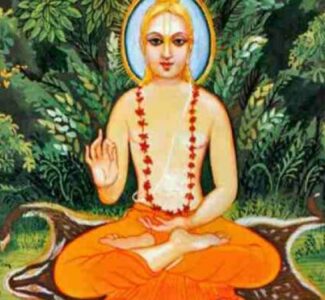
Sage Kapila
Date of Birth: 7th century BCE
Proffession: Vedic–Itihāsa–Purāṇic sage
Nationality: Indian
Death: 10th century BCE